
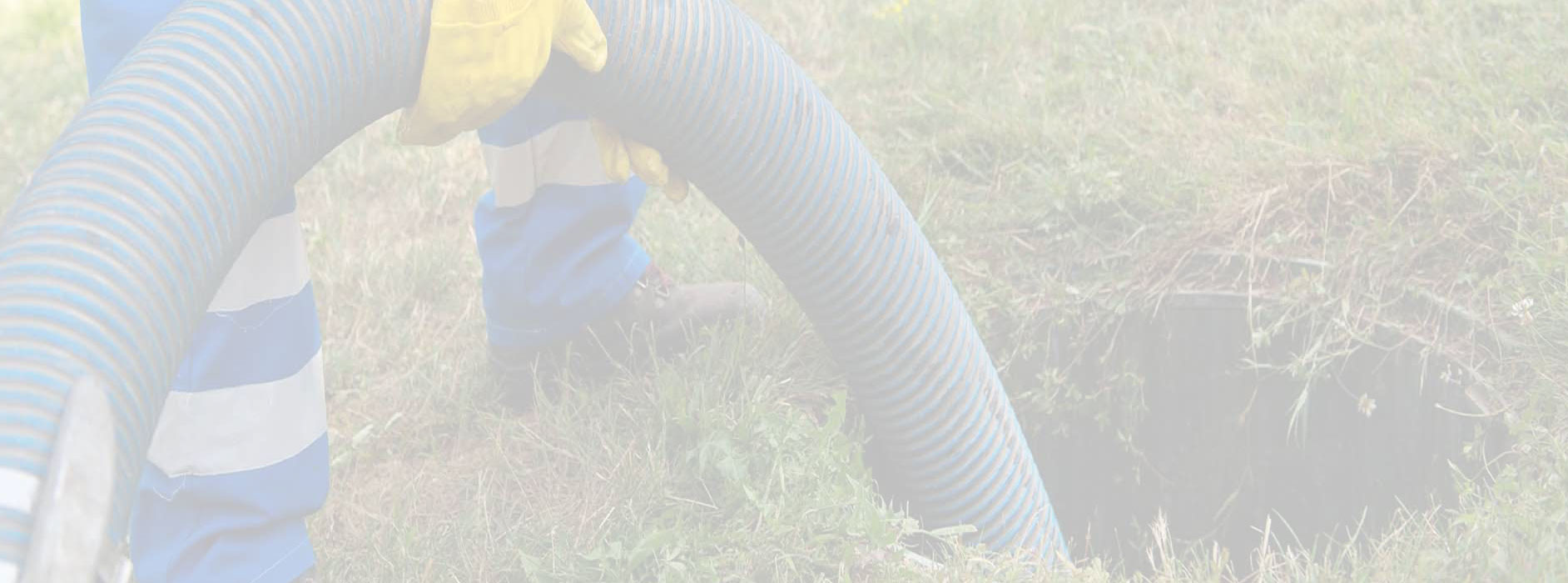
Septic Tank Emptying
Septic tanks play a crucial role in collecting wastewater and sewage from properties, both residential and commercial, that aren't linked to the main sewer system.
Compliant septic tanks and dispersion fields offer an affordable, efficient, and environmentally friendly method for wastewater management. However, it's essential to adhere to UK regulations to ensure proper maintenance of septic tanks and cesspits. In the UK, compliance with the General Binding Rules is necessary. These rules govern small sewage discharges and apply to operators of septic tanks or small sewage treatment plants.
We offer septic tank and cesspit services across the south of the UK, catering to both commercial and residential properties. With our extensive experience, we provide a comprehensive range of septic tank services.

The lifespan of a properly designed and installed septic tank can vary greatly, lasting for decades or failing within just a few years. Its longevity depends on how well the system is maintained, and the first step towards maintenance is understanding its functionality.
A septic tank, typically buried in your garden, serves as a watertight container. Constructed from materials like fibreglass, polyethylene, or concrete, it functions as the holding tank where the separation process occurs.
Central to the operation of a septic tank is bacteria. In a well-maintained system, these bacteria break down waste, leaving the water clean enough to percolate into the ground. Understanding this process is crucial for effective maintenance of your sewage system.
Regular Septic Tank Maintenance
To prevent unwanted buildup, blockages, or further issues with your septic tank, we offer regular septic tank maintenance services. During maintenance, we not only empty the tank but also perform a comprehensive check to ensure it can effectively collect, filter, and store waste as required. If you're interested in learning more about our maintenance services and what they entail, please use the contact form to get in touch with us today.
- Cyclospora spreads through human waste – so how did it get on food?
by Joan Rose, Professor of Water Research; Director, Water Alliance, Michigan State University on 10 August 2026 at 12:35US sewage treatment plants likely don’t get rid of all the disease-causing protozoa, and monitoring discharged wastewater for it is difficult.
- Should you swim in Pittsburgh’s rivers? A water researcher breaks down the answer
by Daniel Bain, Associate Professor of Geology & Environmental Science, University of Pittsburgh on 22 June 2026 at 12:34A newly drafted Pittsburgh Steelers player asked whether the city’s rivers are safe for swimming. A water researcher explains what ‘swimmable’ really means regarding the three rivers.
- England’s sewage spills: why citizen scientists want to test for pollution themselves
by Hope Steadman, PhD Candidate in Geography and the Environment, University of Oxford on 18 June 2026 at 11:42Citizens are taking water testing into their own hands as sewage spills in rivers and on beaches increasingly get reported.
- Washington DC’s 240 million-gallon sewage spill is a symptom of nationwide trouble
by Marccus D. Hendricks, Associate Professor of Urban Studies and Environmental Planning, University of Maryland on 16 April 2026 at 12:45The largest sewage spill in US history wasn’t the first, and it won’t be the last.
- Five warning signs that rivers are polluted – even when they look clean
by Jess Neumann, Associate Professor of Hydrology, University of Reading on 10 April 2026 at 09:08River water is not expected to prove to be less polluted when results are published later this year.